
Introduction: Why Viscosity Matters
Viscosity is the measure of an oil’s resistance to flow, and it determines how well your oil protects your engine under different temperatures and loads.
Pro Tip: Choosing the right viscosity is just as important as picking high-quality oil. Using the wrong grade can increase wear, reduce efficiency, and even shorten engine life.
Viscosity isn’t just a number on the bottle — it’s a key factor in engine health, fuel efficiency, and performance, whether you drive a daily 4WD, a diesel truck, or a high-performance race car.
What Is Viscosity?
Simply put, viscosity measures how “thick” or “thin” a liquid is.
-
High viscosity: Thicker oil, flows slower.
-
Low viscosity: Thinner oil, flows faster.
Viscosity changes with temperature:
-
Cold oil is thicker and flows slower.
-
Hot oil is thinner and flows faster.
Why it matters: Oil must flow quickly on cold starts to protect moving parts, yet maintain a thick enough film at operating temperature to prevent metal-to-metal contact.
Understanding Multi-Grade Oils (e.g., 10W-40)
Multi-grade oils are engineered to perform under both cold and hot conditions.
-
The first number with “W” (Winter): Cold-start flow performance.
-
The second number: Oil viscosity at normal operating temperature.
Example: 10W-40
-
Flows like a 10-weight oil when cold, protecting during startup.
-
Behaves like a 40-weight oil at operating temperature, maintaining a protective film.
Multi-grade oils are not just marketing — they are precise chemical engineering using base oils and additives to maintain consistent protection across temperature extremes.
How Viscosity Affects Engine Protection
Viscosity directly impacts:
-
Lubrication: Correct viscosity ensures a full film between moving parts.
-
Wear and Tear: Too thin → increased friction. Too thick → reduced flow, poor cold-start protection.
-
Fuel Efficiency: Excessively thick oil increases drag, reducing fuel economy.
-
Temperature Performance: High viscosity oils maintain film at high temperatures; low viscosity oils flow faster in cold climates.
Viscosity vs Oil Quality
High-quality base oils maintain viscosity under stress better than lower-grade oils.
-
Synthetic oils resist thinning and breakdown in high heat.
-
Group III oils (hot-blended) retain additive integrity for longer.
Did you know? Two oils with the same grade can perform very differently depending on their base oils and additive packages.
Common Viscosity Myths
-
Myth: Thicker oil always protects better.
Fact: Overly thick oil can starve components of flow, especially during cold starts. -
Myth: Thinner oil is unsafe.
Fact: Using the correct grade ensures protection and efficiency. -
Myth: You need different oils for summer and winter.
Fact: Multi-grade oils like 10W-40 cover wide temperature ranges.
How to Choose the Right Viscosity
-
Follow manufacturer specs — always check your owner’s manual.
-
Consider operating conditions — towing, racing, extreme heat, or cold.
-
Engine type matters — turbocharged and diesel engines may require higher viscosity oils for heat and soot management.
-
Oil quality counts — choose premium oils that maintain viscosity and additive stability, like KCK Lubricants.
Pro Tip: Don’t compromise on oil quality in pursuit of convenience. Proper viscosity plus high-quality oil is the only safe combo for long engine life.
5 Viscosity Mistakes That Destroy Engine Protection
-
Using oil too thin for hot operating conditions.
-
Using oil too thick for cold-start conditions.
-
Ignoring manufacturer-recommended viscosity.
-
Switching oil grades without considering operating conditions.
-
Choosing low-quality oils that lose viscosity under stress.
FAQ
Q: Can I switch oil viscosity grades?
A: Only within the range recommended by the manufacturer. Going too far from specs can reduce protection and efficiency.
Q: Does thicker oil protect better?
A: Not always — overly thick oil can reduce flow at startup, starving moving parts.
Q: Will oil viscosity affect fuel economy?
A: Yes — too thick increases drag, too thin can increase wear and reduce efficiency.
Q: How do multi-grade oils work?
A: Special additives allow the oil to act thin when cold for flow, and thick enough when hot for protection.
Internal Linking
Previous articles:
Week 1
Ultimate Guide to Engine Oil
Week 2
What Does Oil Viscosity Mean
Week 3
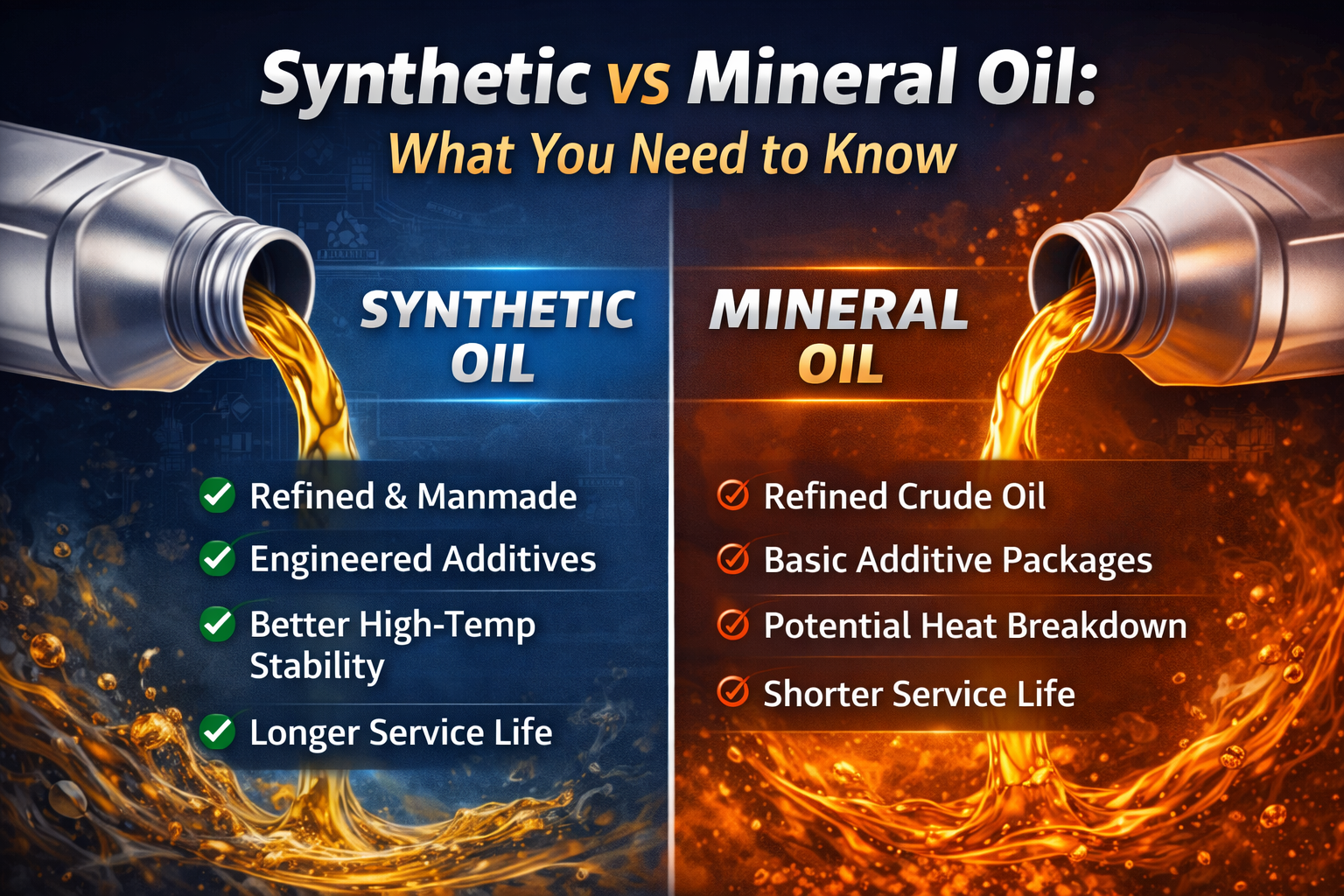
Synthetic vs Mineral Oil
Week 4
Why Engine Oil Turns Black
Week 5
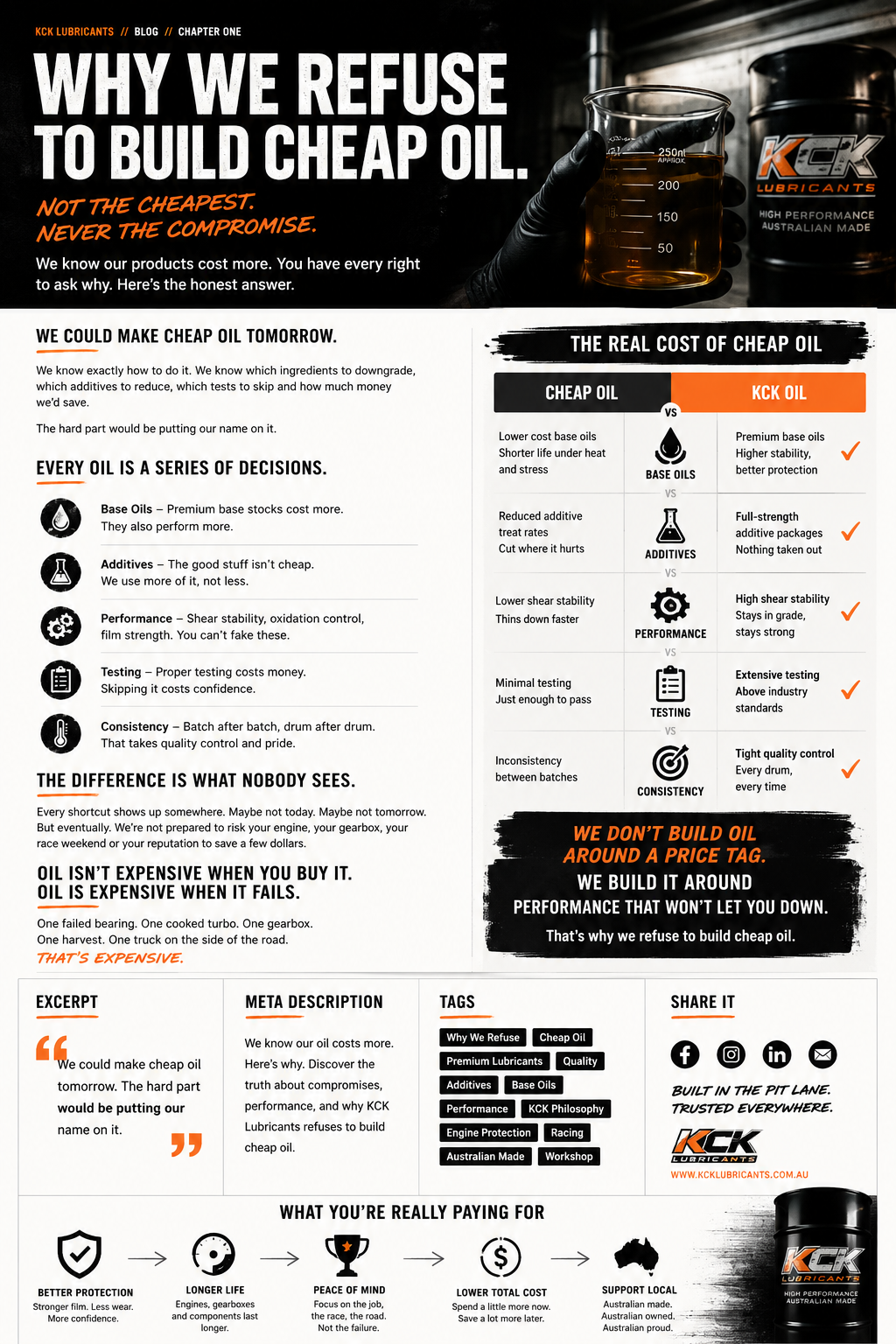
Why Cheap Oil Costs More
Week 6
Diesel Engine Oil Specifications
Week 8
Why Engine Oil Breaks Down Over Time
Week 9
How Often Should You Change Your Engine Oil?
Week 10
What Makes High-Performance Engine Oil Different?